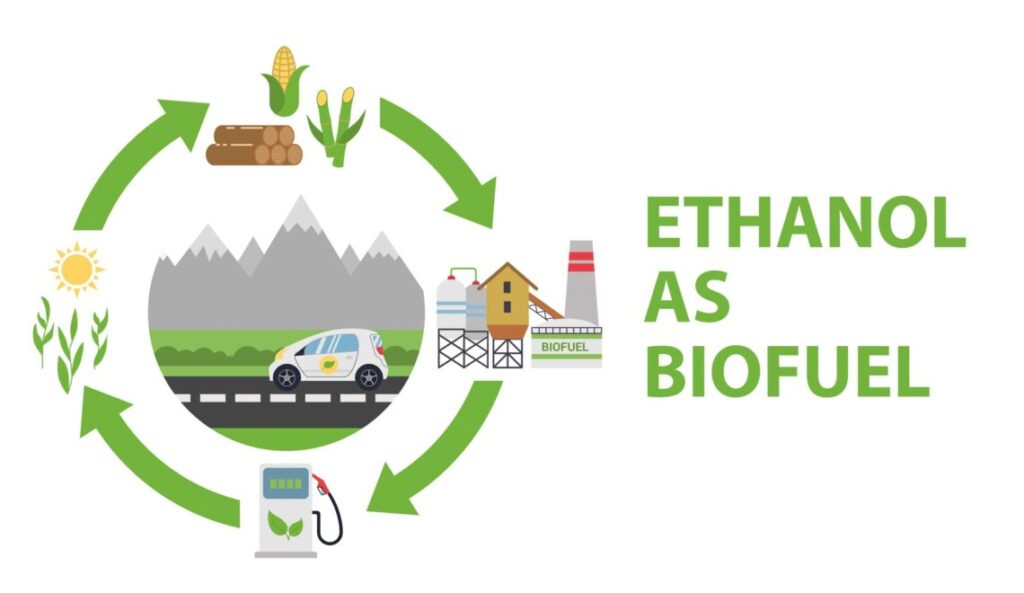
Ethanol is increasingly recognized as a renewable energy source, primarily derived from biomass such as corn, sugarcane, and other plant materials. Here are some key points about ethanol as a renewable energy source:
Fermentation: Ethanol is produced through the fermentation of sugars found in crops. Yeast converts these sugars into ethanol and carbon dioxide.
Cellulosic Ethanol: Advances in technology have enabled the production of ethanol from non-food plant materials, like agricultural residues and grasses, further enhancing its sustainability.
Ethanol Benefits and Considerations
Ethanol is a renewable, domestically produced transportation fuel. Whether used in low-level blends, such as E10 (10% ethanol, 90% gasoline), E15 (10.5% to 15% ethanol), or E85 (flex fuel)—a gasoline-ethanol blend containing 51% to 83% ethanol, depending on geography and season—ethanol improves public health and the environment, provides safety benefits, and contributes to a resilient transportation system. Like any alternative fuel, the use of ethanol involves several considerations.
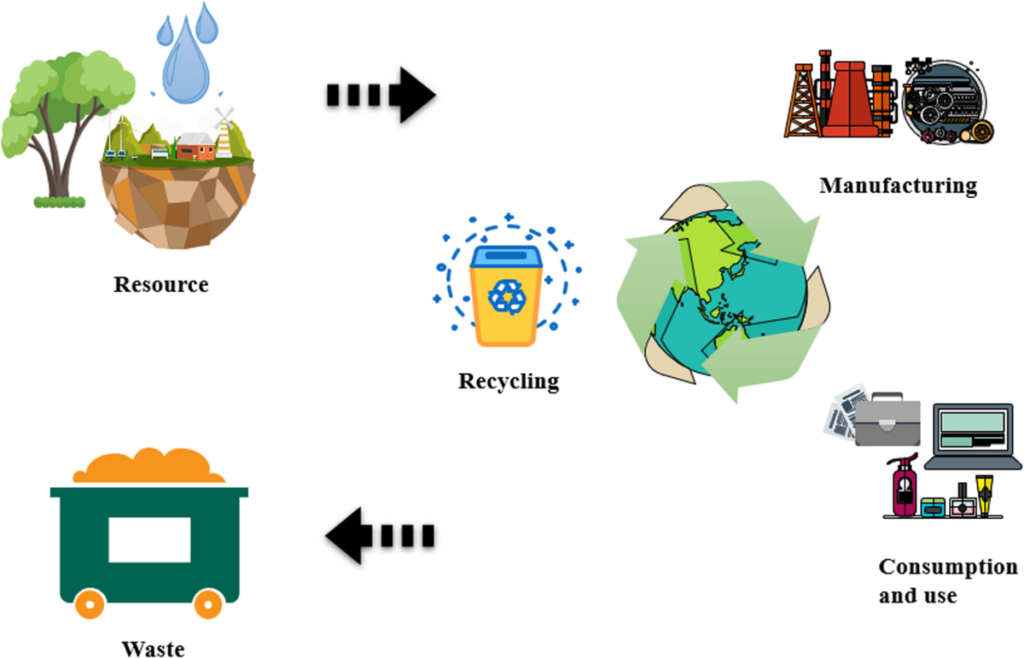
Ethanol’s role in the circular economy and how it helps reduce waste.
These materials would otherwise go to waste, but through ethanol production, they are converted into a valuable product for various sectors. One product benefiting from the use of more ethanol is fuel: blended with gasoline, ethanol enables the use of less fossil fuels and creates less CO2 emissions.Waste handling is one of the biggest problems across the globe. An additional challenge of mitigating climate change also arises during the burning of fossil fuel. The fossil fuel-based transportation system in India that gives rise to air pollution has a worse impact on people. To overcome these problems, a sustainability assessment framework is introduced in this study. Ethanol, a member of the biofuel family, is one of the cleanest and most sustainable forms of energy sources.
Energy Security and Independence
Energy independence is the state in which a nation does not need to import energy resources to meet its energy demand. Energy security means having enough energy to meet demand and having a power system and infrastructure that are protected against physical and cyber threats.
Energy is an essential component of modern life, powering homes, businesses, and economies. Energy management, therefore, plays a critical role in achieving energy security and independence.
How Ethanol Powers Your Vehicle
In the engine’s cylinders, ethanol vaporizes and mixes with air. When the spark plug ignites this mixture, it undergoes combustion, releasing energy in the form of heat. This heat is what powers the engine and ultimately moves the vehicle